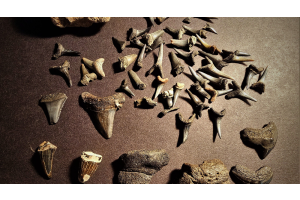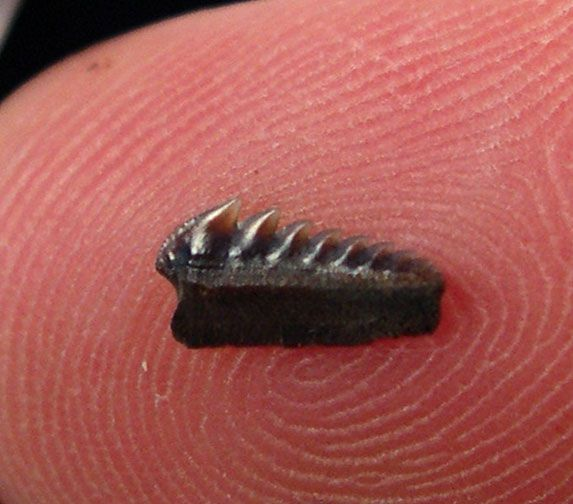
Fossil collectors who come across our UK section often wonder the same thing. Why do so few Megalodon teeth show up from this part of the world? The truth is simple. The land makes it difficult. Most coastal regions in the UK offer minimal access to the right types of fossil-bearing layers. These layers formed millions of years ago during the Miocene and Pliocene periods. Still, in the UK, only a few remain exposed today.
You can find them in areas like Suffolk and certain coastal cliffs, but they do not stretch for miles or appear often. Erosion does uncover some fossils, but it also takes many back into the sea. That constant shift keeps the number of UK-sourced teeth extremely low. Every Megalodon tooth in the UK collectors find comes through a rare mix of luck, effort, and precise timing.
The UK Holds Very Few Suitable Fossil Zones
For Megalodon teeth to survive millions of years, they need the right kind of sediment to bury and protect them. The UK does have some fossil-bearing deposits from the correct time period. Still, most remain hidden beneath soil, cliffs, or artificial structures. These limited pockets do not produce large quantities of material. Even in known areas, most collectors leave empty-handed after several visits.
The rock layers erode inconsistently, and tides often wash away newly exposed fossils before people find them. That means collectors must time their searches with extreme care. Unlike other regions where fossils are easier to spot, the UK landscape makes the entire process slower and far less predictable. These natural limitations add to the rarity. They shape the market and keep UK specimens few and far between.
Harsh Weather Conditions Challenge Every Fossil Hunter
Coastal erosion helps uncover fossils, but in the UK, erosion works both for and against collectors. Harsh weather changes the shoreline regularly, but it rarely leaves ideal conditions for searching. Strong waves shift the sediment quickly. Sudden rainfall can create unstable cliffs or cause flooding in promising areas. Even if erosion reveals a fossil, the window to find it might only last a few hours.
These conditions require patience and strategy. Many collectors walk long stretches of beach without spotting anything. When they do find a tooth, it often shows signs of rough handling by nature. That includes chips, fractures, or mineral staining. Still, that wear tells the story of how it survived. Unlike pieces pulled from easier locations, a UK tooth carries visible evidence of its journey. Those features make it unique, not damaged. They confirm the fossil came from nature, not a lab.
These Teeth Carry Traces of the British Coast
Megalodon teeth in the UK rarely resemble those found in mass excavation sites. Many appear darker, more textured, or irregularly shaped. That visual difference results from the minerals in local sediment and the conditions they face during erosion. Some fossils spend years lodged in clay before water shifts them. Others roll through pebbles and sand before someone finds them.
These details leave marks, but they also leave character. A fossil that shows natural variation attracts more collectors who value authenticity. If a tooth looks too polished, too symmetrical, or too shiny, it likely did not come from the coastlines listed in our UK collection. What sets our pieces apart is the evidence of real time spent underground and along the shore. That visible record speaks louder than size or perfection ever could.
Local Regulations Help Preserve What Little Remains
The UK follows strict rules regarding fossil collection. Many sites are protected by conservation or safety regulations. That limits where and how collectors search. You cannot simply dig into any cliff or riverbank. People who collect responsibly often wait for natural erosion to do the revealing. They work within clear guidelines and usually document their finds carefully. This ethical approach reduces the overall volume of fossils entering the market while increasing their credibility.
A Megalodon tooth that surfaces from a legal, documented find carries more than scientific value. It builds trust. You know where it came from. You understand why it looks the way it does. That matters to collectors who seek real stories behind their fossils. Our collection respects those standards. Every specimen reflects the patience, timing, and honesty required to recover it properly.
How to Identify Authentic UK Megalodon Fossils?
People who shop for fossils often look for size, shine, and visual impact. But those features can mislead. A real UK Megalodon tooth offers subtle but essential signs of authenticity:
● Color variations that reflect local mineral contact.
● Rougher enamel edges from water flow or sediment movement.
● Partial roots that broke naturally over time.
● Small surface chips that formed during fossilization or erosion.
These features do not reduce a tooth’s value. They prove it came from the ground and not from a casting mold or chemical treatment. Look closely at root detail and enamel transitions. UK fossils often feel more weathered and less uniform. That tells you they stayed in place until nature revealed them. These signs help collectors avoid replicas or mislabelled pieces. Authenticity always leaves clues. You need to know where to look.
Why Collectors Value These Teeth Beyond the Surface?
A Megalodon tooth from the UK does not always offer the same sharpness or size as specimens from other places. But it provides something harder to replicate. It gives you a direct connection to a specific region and a specific past. Collectors who seek origin-based specimens choose UK fossils because of what they represent. They tell a different story. They show how nature preserved something in one of the most limited and rugged landscapes.
Every mark and line holds part of that record. You can trace it back to a cliff, a tide shift, or a seasonal storm. That context adds emotional and historical weight. People do not always collect for display. Some collect for connection. A UK Megalodon tooth delivers that connection through rarity, detail, and location. It earns its place in any serious fossil collection by offering more than appearance. It offers truth.
Final Words
UK Megalodon teeth remain rare for reasons that begin with geology and continue through access, weather, and conservation. These fossils are not easy to find. When they do, they carry stories written into their shape and texture. A Megalodon tooth that UK collectors truly value reflects effort, timing, and integrity. It does not need to shine under glass to prove its worth. It already stands out by showing its origins. For collectors who value origin, trust, and narrative, these teeth offer more than just prehistoric evidence. They offer meaning shaped by nature and preserved through patience.
Footnote
UK Megalodon teeth remain rare due to limited exposure, coastal erosion, and access laws governing fossil collection, giving each specimen a true sense of origin, depth, and collector value.